
What Happens If You Ignore a Toenail Fungus Infection?
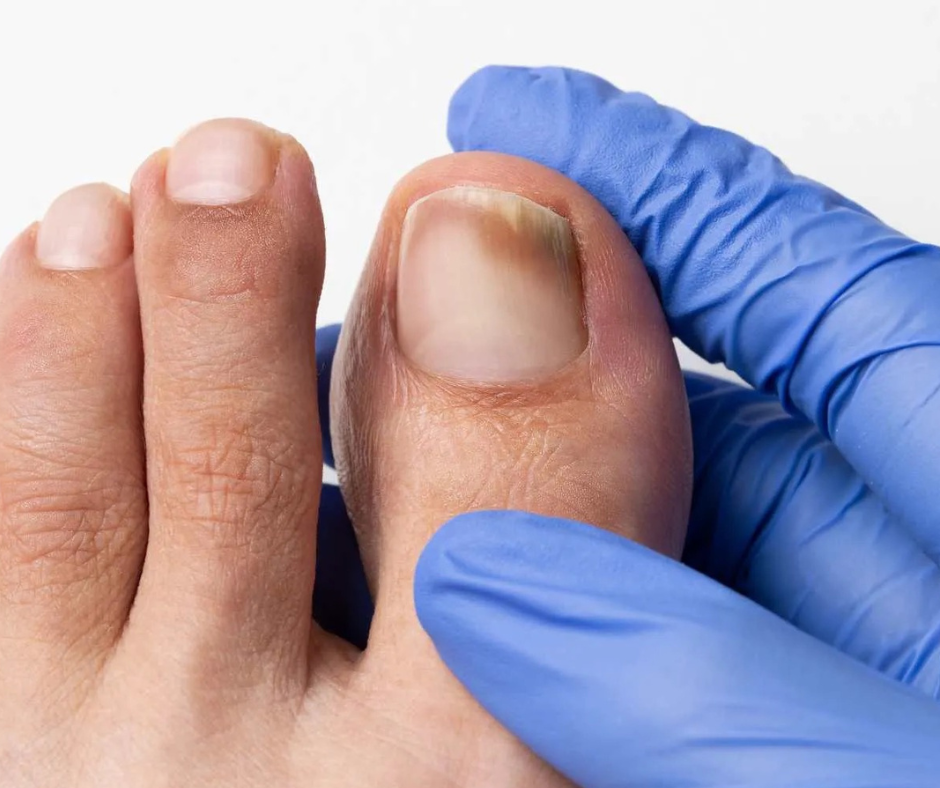
Toenail fungus is a common foot problem that often starts subtly, such as slight discoloration or a small white or yellow spot beneath the nail. While it may seem minor at first, fungal infections rarely go away on their own. Over time, the nail can become thick, brittle, discolored, and even painful, turning a cosmetic issue into a more serious foot health concern.
At New Jersey Podiatric Physicians & Surgeons Group, we treat toenail fungus and other common foot conditions before they progress into more serious and difficult-to-treat problems.
How Toenail Fungus Develops
Toenail fungus develops when fungi enter the nail through small cracks or openings, with warm, moist environments increasing the risk.
Common symptoms include:
- Thickened toenails
- Yellow, brown, or white discoloration
- Brittle or crumbling nails
- Distorted nail shape
- Nail odor
What Can Happen If It Is Left Untreated?
Ignoring a toenail fungus infection may allow the fungus to spread deeper into the nail and surrounding skin.
Nail Damage
Over time, the nail can become severely thickened, cracked, and difficult to trim. In some cases, the nail may partially separate from the nail bed.
Pain and Discomfort
As the nail thickens, wearing shoes or walking comfortably may become more difficult. Pressure from tight footwear can make the condition painful.
Spread to Other Nails or Skin
Fungal infections can spread to nearby toenails or lead to athlete’s foot. The longer the infection remains untreated, the greater the chance it may spread.
Increased Risk for People With Diabetes
For patients with diabetes or circulation issues, untreated toenail fungus may increase the risk of skin breakdown or secondary infections.
Why Early Treatment Matters
Toenail fungus rarely goes away on its own. Depending on the severity of the infection, treatment options may include topical medications, oral antifungal medications, professional nail care, or laser treatment.
Good foot hygiene can also help reduce the risk of future infections. Wearing breathable shoes, keeping feet dry, and avoiding walking barefoot in public areas are important preventive steps.
If you notice discoloration, thickening, or changes in your toenails, come see the expert team at New Jersey Podiatric Physicians & Surgeons Group. With more than 30 locations, from Newark, NJ, to Cape May, NJ, we value convenience and excellent service for our patients. To schedule an appointment, first find a podiatrist in your area.
