
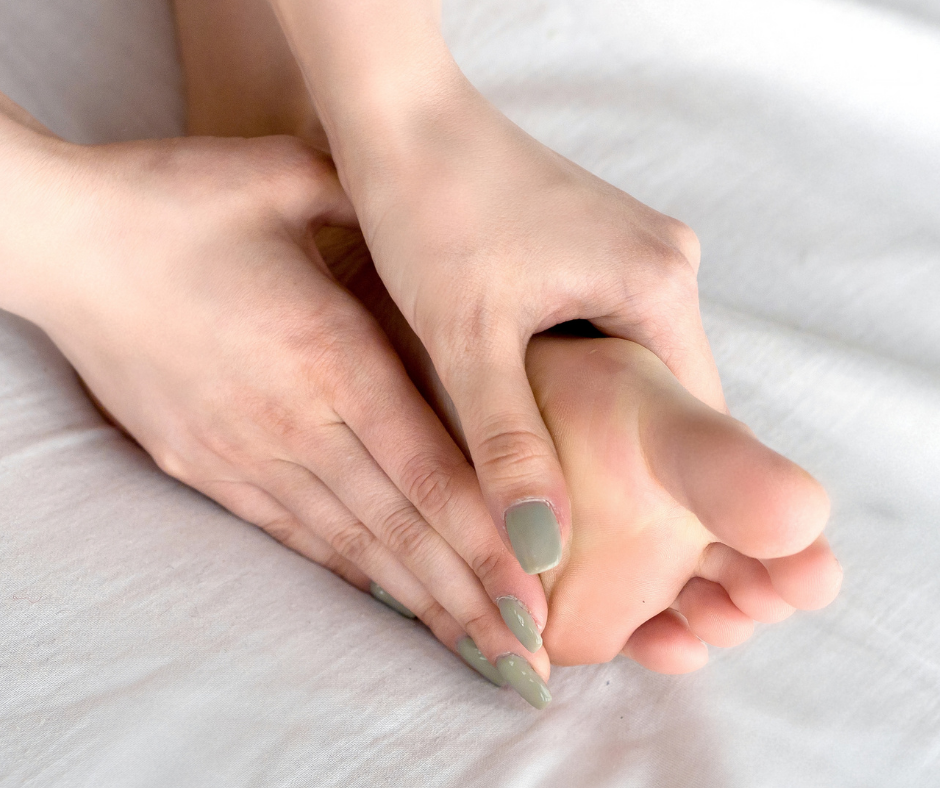
Why Does the Joint Under My Big Toe Hurt?
Every step puts pressure on the joint beneath your big toe, so when it starts to hurt, even walking can become uncomfortable. One possible cause is irritation of the sesamoids, two small bones embedded in the tendons beneath the forefoot. Arthritis, gout, bunions, and injuries can also cause pain in this area.
At New Jersey Podiatric Physicians & Surgeons Group, we evaluate big toe joint pain to determine what is causing the discomfort and recommend treatment based on your symptoms, activity level, and individual needs.
What Are the Sesamoid Bones?
Unlike most bones, which connect at joints, the sesamoids sit within tendons beneath the big toe joint. They help absorb pressure and assist the big toe as you push off the ground while walking, running, or jumping.
When the bones or surrounding tendons become irritated, a condition called sesamoiditis may develop. Pain usually builds gradually beneath the big toe and may worsen when you:
- Run, jump, or climb stairs
- Walk barefoot or wear thin-soled shoes
- Bend the big toe upward
- Place weight on the ball of the foot
- Participate in high-impact activities
Because sesamoiditis is often related to repetitive stress, it may affect runners, dancers, and athletes. Our ankle and sports injury services can help patients determine whether pain is caused by overuse or a more serious injury.
What Else Can Cause Big Toe Joint Pain?
Several other conditions can produce pain in the same area:
- Arthritis: Osteoarthritis of the big toe may cause stiffness, swelling, and limited movement.
- Gout: This form of arthritis can cause sudden, severe pain, redness, warmth, and swelling.
- Bunions: A bunion may place pressure on the big toe joint and alter how weight moves across the foot.
- Fractures: A sudden impact or repeated stress can crack a sesamoid bone.
How Is Pain Under the Big Toe Treated?
Treatment depends on the cause but may include activity modification, supportive footwear, padding, temporary immobilization, or anti-inflammatory measures. Custom orthotics may also help distribute pressure away from the painful joint.
Avoid trying to exercise through worsening pain. Schedule an evaluation if the discomfort is persistent, makes walking difficult, or follows an injury. The podiatrists at New Jersey Podiatric Physicians & Surgeons Group can identify the cause and help you return to activity safely.
With more than 30 locations, from Newark, NJ, to Cape May, NJ, we value convenience and excellent service for our patients. To schedule an appointment, first find a podiatrist in your area.
