
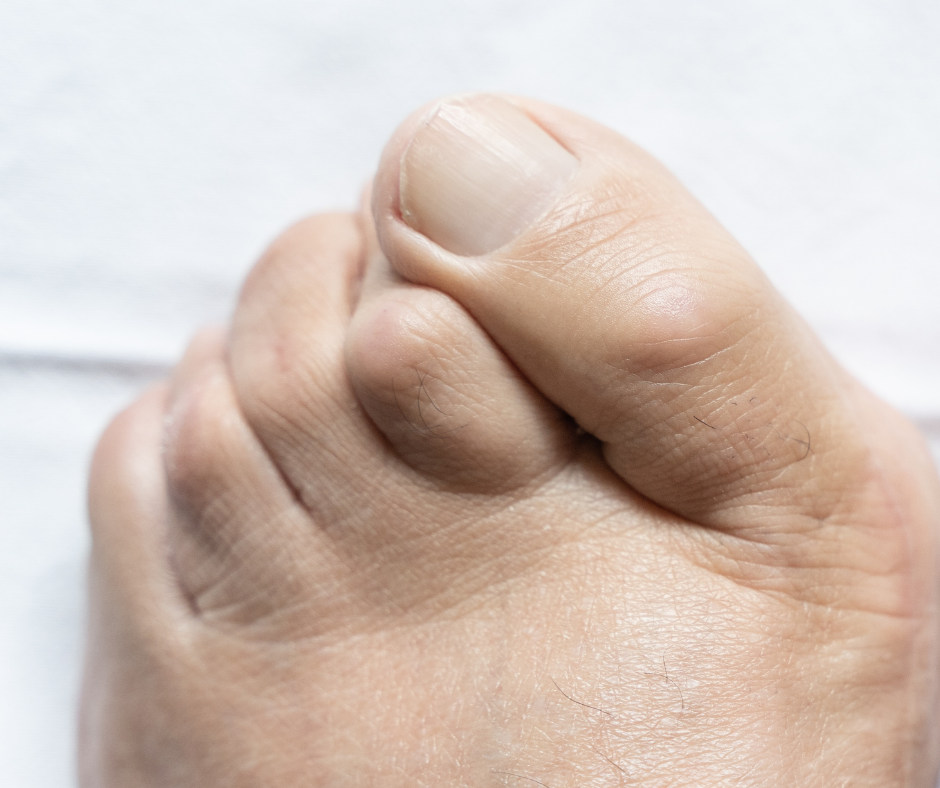
When a Toe Starts Crossing Over Its Neighbor
A toe that begins drifting toward or overlapping the toe beside it may seem like a minor cosmetic change. However, that movement can signal instability in the structures supporting the toe. Addressing it early may help relieve discomfort and prevent the deformity from becoming more rigid.
At New Jersey Podiatric Physicians & Surgeons Group, we help patients throughout New Jersey understand why their toes are changing position and what can be done to improve comfort and function.
Why Do Toes Begin to Cross Over?
A crossover toe commonly develops when the ligaments beneath the toe weaken or become injured. The plantar plate, a strong band of tissue beneath the joint, helps hold the toe in place. When it becomes stretched or torn, the toe may gradually lift, drift sideways, or cross over its neighbor.
Factors that may contribute include:
- Repetitive pressure on the ball of the foot
- Foot structure or abnormal mechanics
- Tight or narrow shoes
- Joint inflammation
- A previous injury
- A nearby bunion pushing the toes out of alignment
The second toe is commonly affected, but crossover deformities can involve other toes.
What Are the Early Warning Signs?
Before the toe visibly crosses over, you may notice pain beneath its base, swelling around the joint, or the sensation of walking on a pebble. The toe may begin separating from the others or feel unstable when you push off the ground.
As the condition progresses, the toe may rub against shoes or neighboring toes, contributing to corns and calluses. It may also become difficult to straighten manually.
Can a Crossover Toe Be Treated Without Surgery?
Early treatment may include shoes with a wider toe box, padding, taping, activity changes, or custom orthotics to redistribute pressure. These measures cannot always return the toe to its original position, but they may reduce pain and slow progression.
Surgery may be considered when the deformity becomes rigid, continues to worsen, or remains painful despite conservative care.
A drifting toe is easier to overlook before it begins crossing its neighbor. The team at New Jersey Podiatric Physicians & Surgeons Group can identify the cause and recommend treatment based on the condition of the joint and surrounding tissues. With more than 30 locations across New Jersey, finding care close to home is simple. To schedule an appointment, first find a podiatrist in your area.
