
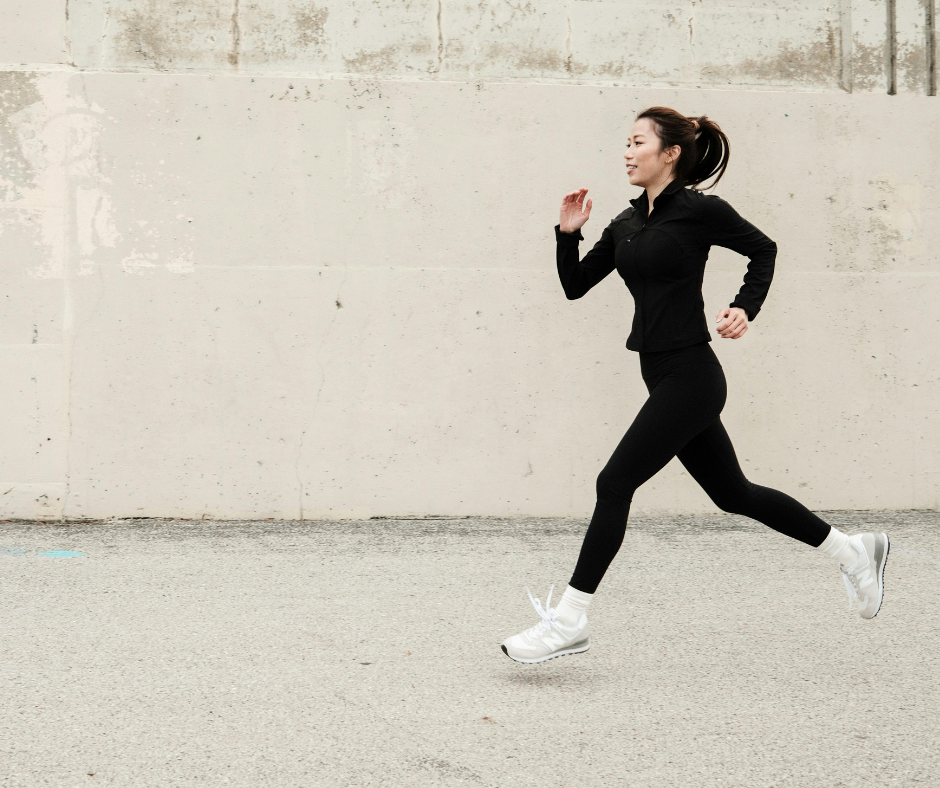
The Truth About Heel Striking While Running
Heel striking is the way your foot contacts the ground while running, specifically, when your heel is the first point of impact. While it’s the most common gait for recreational runners, it is also one of the most debated topics in podiatry. Understanding how a heel strike impacts your feet is the first step in staying injury-free. Here’s what we at New Jersey Podiatric Physicians & Surgeons Group think about heel striking.
What is a Heel Strike?
A heel strike gait happens when you overstride, meaning your foot lands well in front of your center of gravity. Because the leg is usually straight at the moment of impact, the heel takes the full force of your body weight. Unlike a midfoot or forefoot strike, where the arch and the ball of the foot act as natural springs, a heel strike sends a sudden wave of energy directly into your bones.
The Impact of Heel Striking on Your Feet and Joints
When you land on your heel, you are essentially braking with every step. This creates a sharp spike in energy that travels from your heel bone up through your ankle, knee, and hip.
Because the heel doesn’t have the same shock-absorbing mechanics as the arch of the foot, your joints must pick up the slack. This is why chronic heel strikers are often more prone to overuse injuries. If you’ve been dealing with persistent shin splints, knee pain, or stress fractures in the lower leg, your landing pattern might be to blame.
How to Adjust Your Gait
You don’t necessarily need to overhaul your running style completely overnight. In fact, trying to force a toe-running style too quickly can lead to a whole new set of injuries. Instead, focus on cadence and the number of steps you take per minute.
By taking shorter, quicker steps, you naturally bring your foot closer to your body’s center of gravity. This shifts the impact away from the dead stop of the heel and onto the more cushioned midfoot. And it turns your run from a series of collisions with the ground into a smooth, rolling motion.
The Importance of Footwear
If you are a natural heel striker, your choice of footwear is your first step.
Look for a shoe with a cushioned heel and a height difference between the heel and the toe to accommodate your gait.
Thank us later and come in for a consultation for more in-depth tips!
If you’re worried about your foot pain, come see the expert team at New Jersey Podiatric Physicians & Surgeons Group. With more than 30 locations, from Newark, NJ, to Cape May, NJ, we value convenience and excellent service for our patients. To schedule an appointment, first find a podiatrist in your area.
