
How Can Diabetes Affect the Way a Foot Injury Heals?
A blister, scrape, or small cut on your foot may seem minor. If you have diabetes, however, the injury may be harder to feel, slower to heal, and more vulnerable to infection. That makes early attention especially important.
November is Diabetes Awareness Month, a reminder to make foot care part of your diabetes management. At New Jersey Podiatric Physicians & Surgeons Group, we help patients throughout New Jersey manage diabetes-related foot risks and address injuries before they become more serious.
Why Can Diabetes Slow Foot Healing?
Diabetes can affect both the nerves and blood vessels supplying the feet. Diabetic peripheral neuropathy may reduce your ability to feel pain, heat, pressure, or irritation. As a result, you might continue walking on a blister, cut, or sore without realizing it.
Reduced circulation can create another challenge. An injured area needs oxygen and nutrients carried through the blood to repair damaged tissue. When blood flow is limited, healing may take longer, and the body may have more difficulty fighting infection.
A small injury can also worsen when pressure repeatedly reaches the same spot while you stand or walk.
What Foot Injuries Should You Watch For?
Check your feet every day, including the soles, heels, sides, and spaces between the toes. Use a mirror for areas that are difficult to see.
Look for:
- Cuts, scrapes, or punctures
- Blisters
- Redness or swelling
- Cracked skin
- Drainage
- Bruising
- Ingrown toenails
- Warm areas or changes in color
- Sores that are not healing
Do not rely on pain to tell you something is wrong. Reduced sensation may allow an injury to progress without causing significant discomfort.
What Should You Do If You Find an Injury?
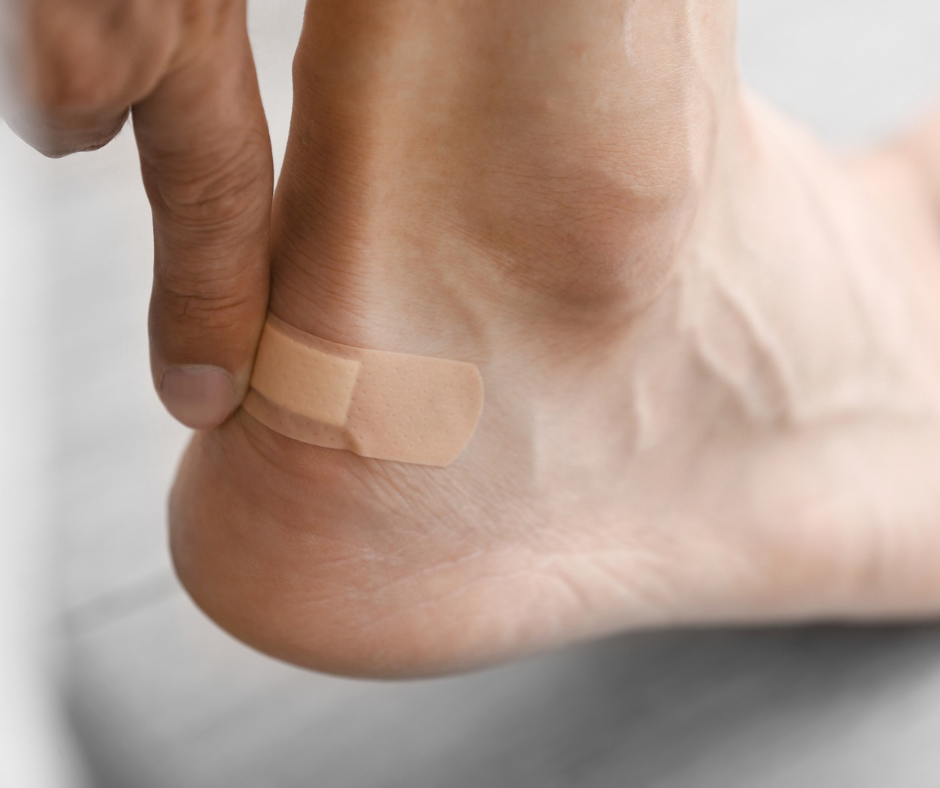
Clean minor cuts gently and protect them with a clean bandage. Avoid harsh antiseptics, medicated corn removers, or attempting to cut away damaged skin yourself.
Contact a podiatrist if the wound is deep, contaminated, increasingly red or swollen, producing drainage, or not beginning to improve. NJPPSG provides additional guidance about slow-healing wounds and diabetic foot ulcers.
Properly fitted shoes for people with diabetes may help reduce rubbing and pressure that contribute to injuries. Regular foot examinations can also identify circulation, sensation, skin, or nail changes before they lead to complications.
If you have diabetes and notice an injury on your foot, do not wait for it to hurt. Find an NJPPSG location near you for an evaluation. Our team can recommend appropriate care.
